



By Simeon Shodimu

Efforts to empower rural women in Nigeria are gaining traction as non-governmental organisations step in to bridge long-standing gaps in access to tools, markets, and recognition. With targeted interventions, advocates say women in agriculture and crafts can significantly boost local economies and achieve financial independence.

An emerging non-governmental organisation, NEWOMCII, has expressed concern over the limited recognition and support for rural women whose contributions through agriculture, arts, and crafts continue to sustain local economies.
The organisation noted that despite their immense role, many of these women lack access to essential facilities for mass production, finishing, promotion, and marketing—factors critical to achieving financial self-reliance.

Highlighting the historical role of women in agriculture, the group stressed the need to prioritise their inclusion in development initiatives. It explained that its interventions have so far reached about five Area Councils within the Federal Capital Territory, where pilot projects were launched due to the region’s strategic importance as the nation’s capital.
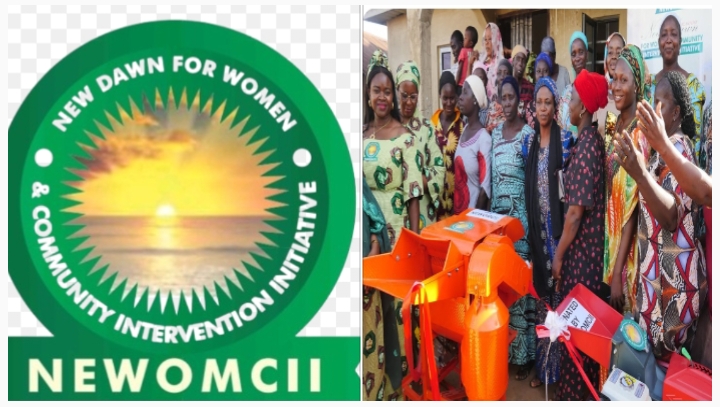
One of the key projects was implemented in Bwari Area Council, where 45 women—20 of them widows—received equipment for harvesting rice and processing corn. According to the organisation, the beneficiaries revealed they had never received support from government or NGOs since they began farming and processing activities.
Responding swiftly, the NGO provided the much-needed farm implements within 10 days, significantly improving their productivity and morale.
To ensure sustainability, the group established a monitoring and evaluation system. Follow-up visits showed remarkable progress, as the women recorded increased harvests within shorter periods using the new machines. Some beneficiaries have also begun leasing the equipment to neighbouring farmers, creating additional income streams.
The intervention has not only reduced the physical strain associated with manual farming but also enhanced efficiency, raising prospects for improved local food supply.
Beyond Bwari, the organisation extended its outreach to a community in Karu, where women engaged in arts and crafts were equipped with modern tools to improve production and finishing.
Although NEWOMCII has operated for less than a year, it says its impact across communities has been significant, with plans underway to expand its programmes nationwide in the near future.