





By Simeon Shodimu

As Nigeria battles rising food prices, declining farm productivity and growing concerns over food insecurity, the National Assembly and key agricultural institutions are forging a new alliance aimed at revitalising the country’s agricultural sector through research, innovation and legislation.
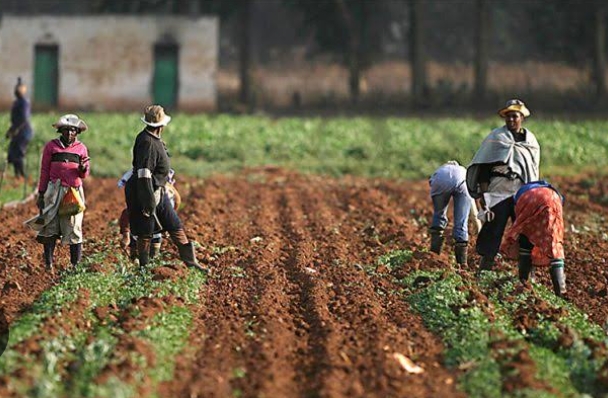
The renewed commitment will take centre stage at the maiden Legislative Summit and Extension Services Programme scheduled to hold at the International Institute of Tropical Agriculture from May 12 to 14, 2026.
The summit, being organised by the Senate Committee on Agricultural Colleges and Institutions, is expected to bring together lawmakers, agricultural researchers, development partners, diplomats and policymakers to chart a new direction for Nigeria’s food system and agricultural financing framework.
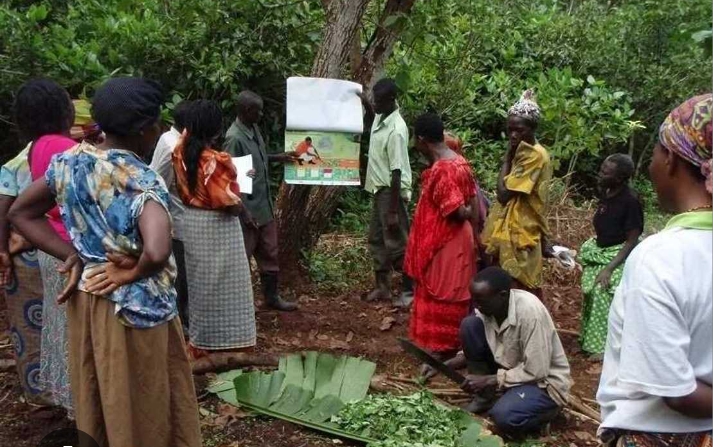
Chairman of the Senate Committee, Sharafadeen Ali, said the initiative became necessary due to growing concerns over inadequate funding for agricultural research institutions and the widening disconnect between farmers and research-based innovations.
Speaking during a press conference at the Nigeria Union of Journalists Press Centre in Iyaganku, Ibadan, the lawmaker lamented that many farmers across the country still lack access to modern agricultural technologies and improved crop varieties developed by Nigerian scientists.
“Many farmers remain disconnected from modern agricultural innovations despite several breakthroughs recorded by Nigerian research institutions,” Alli said.
According to him, Nigeria cannot achieve sustainable food security without aligning legislation, research and agricultural extension services to meet the realities facing farmers.
“We must have the right kind of legislation in place to assist our institutions, improve curriculum, encourage collaboration and strengthen food security,” he added.
The senator stressed that agriculture without research would amount to guesswork, noting that Nigerian researchers have already developed improved crop varieties capable of transforming productivity and increasing farmers’ income.
He cited improved cocoa and cassava varieties as examples of innovations that remain underutilised because many rural farmers are unaware of their existence.
Alli also expressed concern over Nigeria’s declining position in global agricultural competitiveness despite its historical strength in agricultural research and commodity production.
Drawing comparisons with Malaysia’s oil palm industry, he recalled that the Southeast Asian nation once obtained oil palm seedlings from Nigeria but had since surpassed Nigeria in global palm oil production through sustained investment in research, industrialisation and policy support.
The summit is expected to attract representatives from more than 28 agricultural institutions alongside international development agencies and foreign missions including the European Union, GIZ, the British High Commission and the Embassy of Malaysia.
Participants are expected to deliberate on strategies for strengthening agricultural research institutions, expanding mechanised farming, improving extension services and creating employment opportunities for youths and women through agribusiness development.
Alli disclosed that discussions at the summit would also focus on practical support systems for farmers, including land preparation, mechanised cultivation, harvesting support and improved market access.
He added that partnerships with development organisations had already commenced to address some of the sector’s longstanding operational challenges.
Another major issue expected to receive attention at the summit is post-harvest loss reduction, with stakeholders exploring the deployment of solar-powered dryers and modern storage technologies to preserve farm produce and reduce waste.
Chairman of the Nigeria Union of Journalists in Oyo State, Akeem Abas, described the summit as a timely intervention capable of improving food production and stimulating economic growth.
He commended Senator Alli for championing reforms aimed at repositioning agricultural institutions and strengthening the country’s food security architecture.
According to Abas, the strong turnout of journalists from various media organisations at the briefing reflected widespread public interest in the summit and the urgency of Nigeria’s food security concerns.
Stakeholders from research institutions also stressed the need for stronger policy backing and sustainable financing for agricultural innovation.
Executive Director of the National Horticultural Research Institute, Mohammed Atanda, noted that Nigeria’s agricultural research institutes possess highly skilled personnel and globally competitive innovations but require better coordination, legislation and funding support.
Similarly, Acting Executive Director of the Cocoa Research Institute of Nigeria, Adedeji Rasheed, called for increased private sector participation in agricultural research funding.
According to him, government alone cannot sustainably finance agricultural research institutions, especially at a time when innovation and technology are becoming increasingly critical to food production and export competitiveness.
Also speaking, Oluwatosin Gabriel of the Institute of Agricultural Research and Training maintained that Nigeria possesses the expertise required to attain food sufficiency if the right policies, funding structures and institutional support mechanisms are put in place.
As stakeholders prepare for the Ibadan summit, expectations are high that the engagement could mark the beginning of stronger collaboration between lawmakers, researchers and farmers — a partnership many believe is essential for transforming Nigeria’s agricultural sector from subsistence-driven production to innovation-led food security and economic prosperity.