




By: Kemi Akinseye

As insecurity spreads across rural communities and the cost of agricultural inputs continues to soar, farmers in Kaduna State are warning of an impending food crisis. With many unable to access their farmlands due to attacks by bandits and kidnappers, and fertiliser prices rising beyond the reach of smallholder farmers, stakeholders say urgent intervention is needed to prevent a sharp decline in food production this planting season.

Growing insecurity and the rising cost of fertiliser are casting a dark shadow over farming activities in Kaduna State, raising fears of worsening food shortages and economic hardship in one of Northern Nigeria’s key agricultural hubs.
The Kaduna State chapter of the All Farmers Association of Nigeria (AFAN) has sounded the alarm over what it described as a dangerous combination of violent attacks on farming communities and the soaring cost of farm inputs, warning that the situation could severely undermine food production across the state.
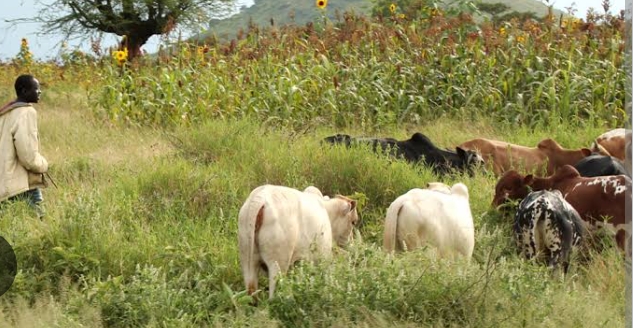
Speaking in an interview, the State Chairman of AFAN, Nuhu Aminu, lamented that many farmers are increasingly unable to cultivate their lands as a result of persistent banditry, kidnappings, and violent attacks in rural areas.
According to him, several local government areas, including Giwa, Kauru, Kubau, Kudan, Kajuru, Sanga, and Kachia, have become hotspots of insecurity, forcing many farmers to abandon their farms out of fear for their safety.
“Insecurity is seriously affecting farming activities. Some farmers cannot even go to their farms because of attacks and kidnappings in their communities,” Aminu said.
For many rural dwellers, farming is not only a livelihood but also the backbone of local economies. However, continued violence in agrarian communities has disrupted cultivation activities, displaced families, and weakened farmers’ confidence ahead of the planting season.
Stakeholders fear that if the situation persists, Kaduna State could witness a significant drop in agricultural output, a development that may worsen food inflation and deepen hunger across the country.
Beyond insecurity, farmers are also battling the escalating cost of fertiliser and other agricultural inputs. Aminu explained that the prices of chemical fertilisers have risen sharply, placing them beyond the reach of many smallholder farmers who form the majority of food producers in the state.
He noted that although AFAN is encouraging farmers to embrace organic fertilisers as a cheaper alternative, affordability remains a challenge for many rural farmers struggling with limited financial resources.
“Even the organic fertiliser many farmers are turning to is not easy to purchase in the quantity needed for large-scale cultivation,” he explained.
The development reflects broader concerns within Nigeria’s agricultural sector, where rising production costs, insecurity, climate challenges, and weak infrastructure continue to threaten national food security.
Agriculture experts warn that reduced access to fertiliser could lead to lower crop yields, further increasing pressure on food prices already burdening millions of Nigerians.
AFAN has therefore called on governments at all levels to urgently subsidise fertiliser and ensure timely distribution of farm inputs to farmers before the peak of the farming season.
The association also urged authorities to strengthen security operations in farming communities to enable farmers to return safely to their fields without fear of attacks or abduction.
Aminu stressed that greater government attention must be given to agriculture, describing the sector as one of the key drivers of Nigeria’s economy and a major source of employment and food supply.
With the rainy season approaching and uncertainty growing across rural communities, many farmers say the coming months may determine whether Nigeria records another difficult year of food shortages and rising hunger.