
By Jide Akinseye

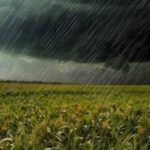
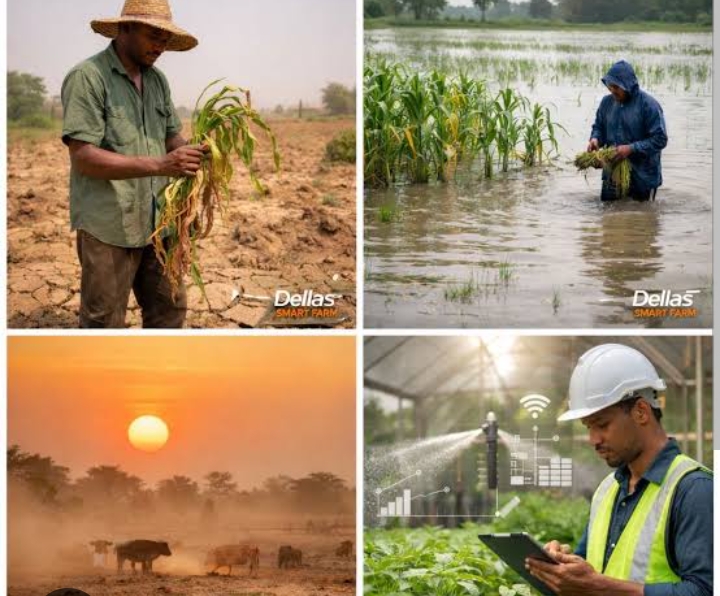
In the face of increasing climate uncertainty and its growing impact on food production, the Federal Government is intensifying efforts to equip farmers with timely weather intelligence to safeguard yields and strengthen agricultural resilience. As climate variability continues to shape agricultural outcomes across Nigeria, the Federal Government has called on farmers to take full advantage of the 2026 Seasonal Climate Prediction to improve productivity and minimise weather-related losses.
The call was made by the Minister of Agriculture and Food Security, Abubakar Kyari, during a farmer-focused seminar held in Anambra State.
The event, organised by the Nigerian Meteorological Agency in collaboration with the Nigeria Hydrological Services Agency and development partners, aimed to strengthen climate resilience among farming communities.
With support from organisations such as the Bill and Melinda Gates Foundation and Sahel Consulting Agriculture and Nutrition Limited, the initiative focused on equipping farmers with critical knowledge about rainfall patterns, flood risks, and adaptive farming practices.
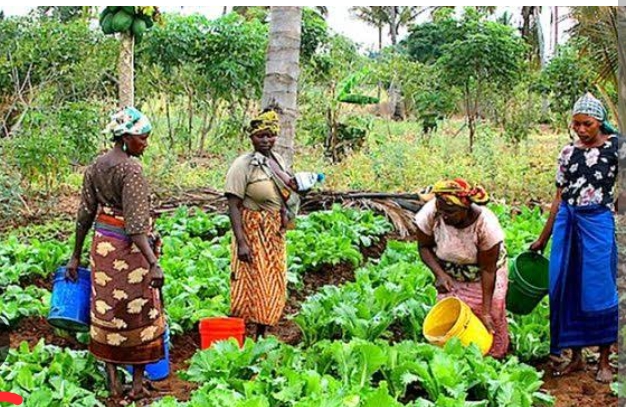
Represented by State Director Chief Arthur Mbuba, Kyari emphasised that understanding seasonal climate forecasts is essential for modern farming. He noted that the training was designed to help farmers interpret climate data, plan planting cycles effectively, and adopt climate-smart agricultural techniques that can enhance yields despite unpredictable weather conditions.
The Director-General of NiMet, Charles Anosike, described the Seasonal Climate Prediction as a vital early warning tool. According to him, rainfall in Anambra State is expected to begin around March 23, with the growing season likely to end between November 27 and December 4.
He further warned that several local government areas—including Anambra East, Anambra West, Ayamelum, Onitsha North, Onitsha South, Ogbaru, and Ekwusigo—are at high risk of flooding, while others may experience moderate climate impacts such as temperature fluctuations and irregular rainfall distribution.
Stakeholders at the seminar stressed that timely access to such information can significantly reduce losses, particularly in flood-prone regions.
Farmers were advised to adopt early planting where feasible, invest in agricultural insurance, maintain proper drainage systems, and heed evacuation warnings in vulnerable communities.
The initiative also underscores a broader shift toward proactive disaster management and sustainable farming practices in Nigeria. By aligning agricultural activities with reliable climate data, authorities believe farmers can not only protect their livelihoods but also contribute to national food security.
As climate challenges intensify, the success of Nigeria’s agricultural sector may increasingly depend on how well farmers integrate scientific forecasts into everyday decision-making—turning climate information into a powerful tool for resilience and growth.