


By Lanre Shodimu

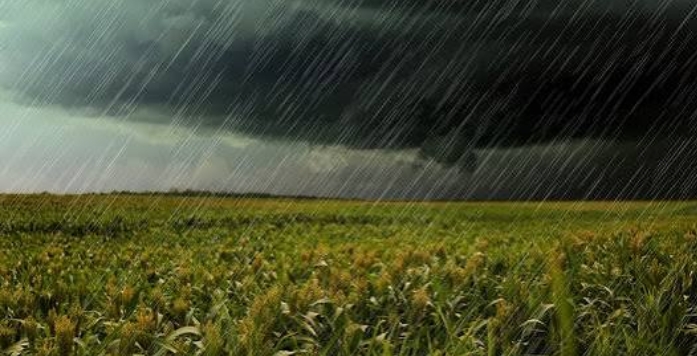
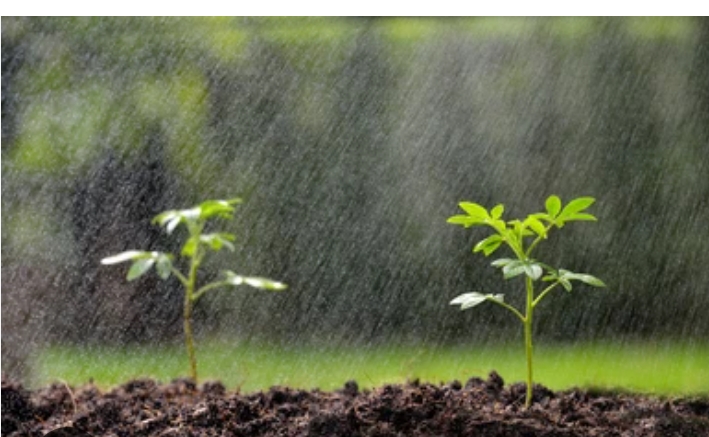
As the first steady rains sweep across southern Nigeria and inch gradually toward the country’s central and northern corridors, a critical window opens for farmers. This transition period is more than a seasonal shift—it is the foundation upon which the year’s agricultural fortunes will be built. Decisions taken now, from crop selection to soil preparation, will determine not just harvest volumes but the economic stability of farming households in the months ahead.
The gradual establishment of rainfall across Nigeria’s southern belt, with a steady advance toward the Middle Belt and parts of the North, has signalled the official onset of the 2026 planting season—one of the most decisive periods in the agricultural calendar.
For both smallholder farmers and large-scale commercial growers, April represents a narrow but vital window. Agricultural experts note that the choices made during this period—what to plant, where to plant it, and how to manage early crop development—will significantly influence harvest outcomes and income stability for the rest of the year.
Already, extension workers and agronomists are encouraging farmers to take advantage of early rains to cultivate crops that respond well to moisture and enjoy strong market demand. The emphasis, they say, should not only be on planting early but on planting smart.
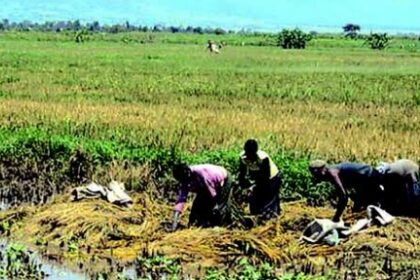
In the southern regions—South West, South East, and South South—consistent rainfall has created favourable conditions for immediate crop establishment. Farmers in these areas are already moving into full planting mode, leveraging the moisture-rich soil to cultivate a range of staple and cash crops.
In contrast, the North Central zone, including the Federal Capital Territory, is entering a transitional phase. While rainfall is not yet fully established, improving soil moisture levels are opening opportunities for early planting, particularly for crops that can withstand moderate conditions.
Further north, April remains largely preparatory. However, sporadic early rains in some areas are prompting cautious optimism, with experts advising farmers to prioritise land preparation and closely monitor weather patterns before committing seeds to the ground.
Agricultural stakeholders stress that successful rainy season farming extends beyond simply waiting for rainfall. Critical factors such as soil health, drainage systems, seed quality, and market demand must be carefully evaluated. The interplay of these elements often determines whether a farming season yields profit or loss.
Among the crops recommended for April planting, maize continues to stand out due to its short maturity period and widespread demand across households, livestock feed producers, and food processors. Early planting allows the crop to establish before heavy rains intensify, reducing vulnerability to flooding.
Cassava, another staple, remains a reliable option for farmers due to its adaptability to varying soil conditions and rainfall levels. Particularly in southern and central Nigeria, it offers long-term income potential and resilience against climate variability.
Yam cultivation also peaks during this period, especially in states like Benue and parts of the South East. Experts highlight the importance of early planting and proper staking techniques to achieve optimal yields, noting the crop’s enduring cultural and economic value.
Groundnut and soybeans are gaining increased attention, particularly in the North Central region. Both crops benefit from early rains and serve multiple purposes, from food consumption to industrial processing, making them attractive for market-oriented farming.
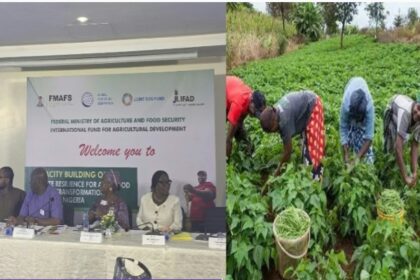
Vegetables such as pepper, okra, and leafy greens are equally viable, especially for small-scale farmers seeking quick returns. Their short growth cycles and high demand in local markets make them ideal for maximising early-season opportunities.
Cowpea, known for its drought tolerance, remains a strategic choice for regions where rainfall is still uncertain. Its nutritional value and steady market demand further enhance its appeal.
Despite these opportunities, experts caution that Nigeria’s diverse climate requires location-specific strategies. In the southern regions, where heavy rainfall can lead to waterlogging, farmers are advised to invest in proper drainage systems, including ridges and channels.
In the North Central zone, early planting of maize, soybeans, and yam is expected to yield strong results, reinforcing the region’s role as a key food production hub. Meanwhile, farmers in the northern regions are urged to remain cautious, focusing on land preparation, seed selection, and soil conditioning until rainfall becomes consistent.
As the rains continue their northward progression, one message remains clear: the success of Nigeria’s 2026 farming season will depend not just on the weather, but on the decisions farmers make at its very onset.