
By Kemi Akinseye

Nigeria’s livestock industry is emerging as a critical frontier for economic diversification, food security, and export competitiveness. With growing investment interest, policy reforms, and private-sector innovation, stakeholders say the sector is gradually shifting from subsistence production to a structured, technology-driven agribusiness ecosystem capable of competing globally.
Nigeria’s livestock industry, long regarded as underdeveloped despite its vast potential, is witnessing renewed momentum as stakeholders push for structural reforms, increased investment, and modernization of production systems aimed at positioning the sector for global competitiveness.

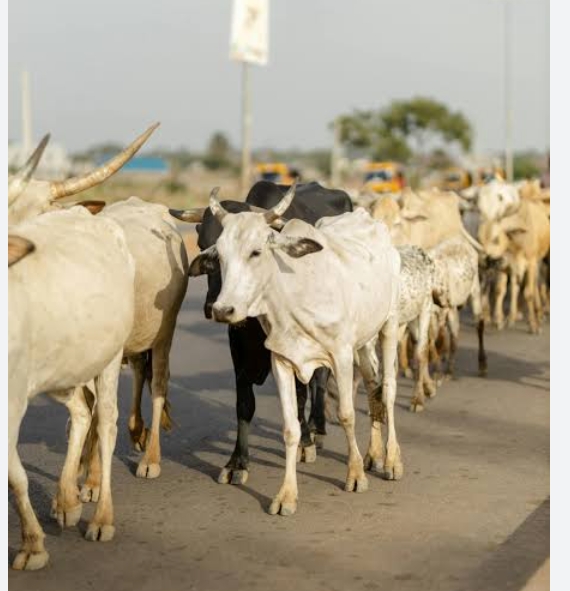
With an estimated livestock population of over 20 million cattle and tens of millions of sheep, goats, and poultry birds, Nigeria remains one of Africa’s largest producers of animal protein. The sector plays a significant role in agricultural GDP and continues to support rising domestic demand driven by population growth, rapid urbanisation, and changing dietary patterns.
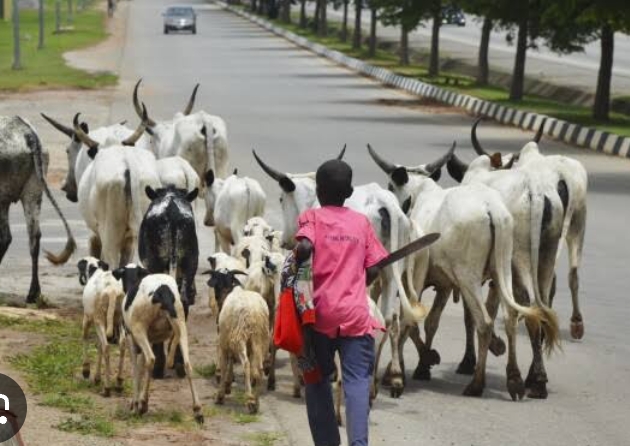
However, industry players note that despite its scale, the sector remains constrained by low productivity, inadequate feed supply, weak veterinary infrastructure, climate-related pressures, and fragmented market systems—factors that have limited its full economic potential.
Stakeholders now argue that the industry is at a turning point, with ongoing reforms and private sector interventions creating pathways for transformation into a modern, investment-ready agribusiness ecosystem.
Experts maintain that unlocking the sector’s value will require structured financing, improved producer pricing mechanisms, expanded insurance coverage, stronger extension services, and the integration of digital technologies to enhance traceability and efficiency across the value chain.
Across the country, early signs of commercial transformation are already emerging. Several livestock entrepreneurs are scaling operations from small herds to large integrated farms, combining breeding, processing, and distribution systems to meet growing market demand.
One such example is the Founder and Chief Executive of Kamrum Integrated Farms, Rijo Shekari, who is driving a crossbreeding initiative between indigenous Bokolo (Sokoto Gudali) cattle and Angus breeds under the Ankolo Breeding Programme. The project aims to improve disease resistance, fertility rates, carcass quality, and early maturity while adapting to Nigerian environmental conditions.
Shekari’s farm collaborates with the National Animal Production Research Institute (NAPRI), Zaria, and the National Veterinary Research Institute (NVRI), Vom, to standardise breeding outcomes and improve productivity.
According to him, livestock farming holds significant wealth creation potential if properly structured and commercialised, particularly for young Africans seeking sustainable enterprise opportunities.
In the same vein, industry experts are increasingly focusing on global market integration, particularly the rapidly expanding halal food economy. Head of Operations at Dar Al Halal Certification, Dr. Maiyaki Sani, noted that Nigeria is well-positioned to tap into the multibillion-dollar global halal meat market, driven by rising demand in Asia and the Middle East.
He explained that countries such as Saudi Arabia, the United Arab Emirates, Qatar, Malaysia, and Indonesia are tightening compliance standards around halal certification, ethical slaughter, and traceability—creating opportunities for countries like Nigeria with large livestock bases.
According to him, Nigeria’s competitive advantage lies in its livestock population and geographical positioning, but success will depend on building strong certification systems and export-grade quality assurance frameworks.
On the policy and investment front, the Federal Government’s Nigeria Red Meat Partnership (NiMeP) is gaining traction as a structured initiative aimed at transforming the livestock value chain into an export-oriented sector.
The programme, a collaboration between the Federal Ministry of Livestock Development and private sector stakeholders, targets $275 million in export earnings and the creation of approximately 6,000 jobs across the value chain.
Partnership Manager of NiMeP, Nath Odiba, said the initiative is designed to integrate feedlot operators, ranchers, processors, abattoirs, regulators, and logistics providers into a coordinated system that improves efficiency and quality standards.
He added that Nigeria is targeting a share of the estimated $5.5 billion Africa–Middle East live animal and meat market, leveraging improved production systems and compliance with international standards.
Recent investment activities also suggest rising investor confidence in the sector. At a livestock investment forum under the African Pastoral Markets Development initiative (APMD) in Abuja, stakeholders reportedly secured investment commitments worth N3.7 billion alongside supply agreements aimed at strengthening production linkages.
Agreements include structured cattle supply arrangements between ABIS Group and cooperative societies, as well as partnerships involving farms, abattoirs, and producer associations to stabilise supply and improve quality control.
Technology is also beginning to reshape the sector, with digital platforms such as Nebula Technologies’ livestock management system being introduced to improve data collection, traceability, and operational efficiency—addressing one of the industry’s long-standing challenges: lack of reliable data.
Policy experts argue that livestock development is now a strategic national priority, with emphasis shifting from discussions to implementation and commercial outcomes. They stress that better coordination among producers, financiers, and regulators is essential to unlocking sustainable growth.
Financing remains a major constraint, with stakeholders calling for long-term, affordable credit systems aligned with agricultural production cycles. Banks and development finance institutions are increasingly exploring structured financing models tied to off-take agreements and value chain partnerships.
Industry leaders also highlight the importance of reducing feed costs, improving biosecurity, and strengthening animal welfare standards to enhance productivity and global competitiveness. Concerns persist over poor abattoir practices, unregulated slaughter facilities, and weak enforcement of standards, all of which affect meat quality and market credibility.
Experts further note that global competitiveness will depend heavily on traceability systems, formalised supply chains, and compliance with international sanitary and phytosanitary standards. Comparative examples such as Ethiopia’s integrated livestock model are increasingly being referenced as frameworks Nigeria could adopt.
Despite existing challenges, stakeholders remain optimistic that the convergence of policy reforms, private investment, technology adoption, and export-driven initiatives could reposition Nigeria’s livestock sector as a major contributor to GDP and foreign exchange earnings.
With rising domestic demand, expanding regional trade opportunities, and growing investor interest, the sector appears to be steadily moving toward the long-anticipated transformation from subsistence production to a globally competitive livestock economy.